The Ultimate Guide to Cake Pricing for Home Bakers | Sweety's Bakery
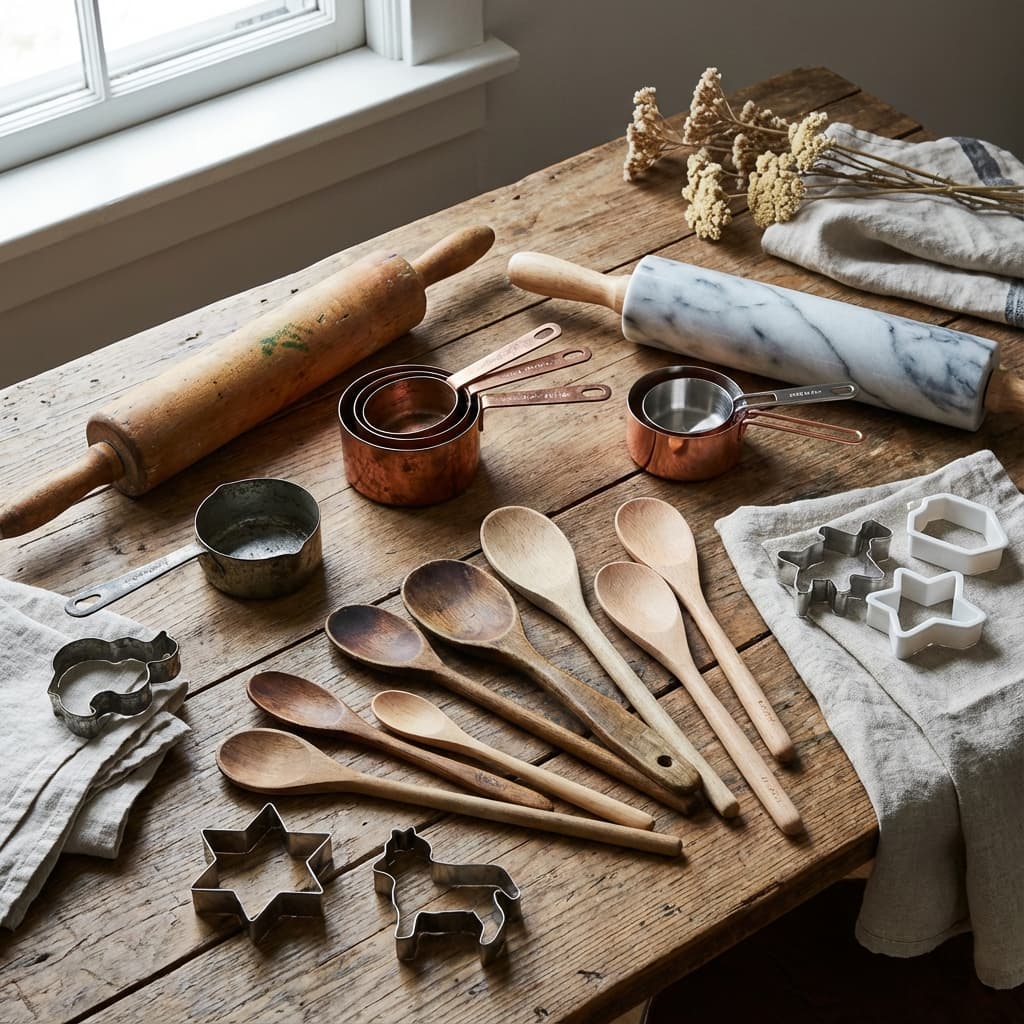
One of the most daunting challenges for any home baker turning their passion into a business is pricing. "How much should I charge for this cake?" ...
📑 Table of Contents
The Ultimate Guide to Cake Pricing for Home Bakers
One of the most daunting challenges for any home baker turning their passion into a business is pricing. "How much should I charge for this cake?" is a question that plagues beginners and experienced bakers alike. Underpricing leads to burnout and resentment, while overpricing (without the brand value to back it up) can deter customers. This comprehensive guide will walk you through a logical, mathematical approach to pricing your cakes so you can bake with confidence and profit.
The Cake Pricing Formula
Forget looking at what the grocery store charges. You are creating a custom, handmade product. The basic formula for pricing any baked good is:

(Ingredients + Labor + Overheads) + Profit = Price
1. Ingredient Costs (COGS)
This is your "Cost of Goods Sold." You must know exactly how much every gram of flour, sugar, butter, and chocolate costs. Don't guess! Use a spreadsheet or a Cake Pricing Calculator.
- Include Everything: The cake board, the box, the dowels, the ribbon, and even the dollop of meringue powder.
- Buy in Bulk: Lower your COGS by purchasing staples in larger quantities.
2. Labor Costs
This is where most home bakers fail. You must pay yourself a wage. You are the head baker, the decorator, the dishwasher, and the delivery driver.
- Set an Hourly Rate: Decide on a fair hourly wage for your area and skill level. Do not go below minimum wage.
- Track Your Time: Be honest about how long it takes to bake, make frosting, stack, crumb coat, and decorate. Complex designs take hours.
3. Overheads
These are the hidden costs of running a business that aren't tied to a specific cake.
- Utilities: Electricity, gas, water.
- Equipment: Wear and tear on your mixer, oven, and pans.
- Marketing: Website hosting, business cards, samples.
- Insurance & Licenses: Essential for a legal home bakery.
A common method is to add a flat percentage (e.g., 30%) to your ingredient and labor costs to cover overheads.
4. Profit Margin
Profit is not your wage; profit is money to reinvest in the business (buying a new mixer, taking a class) or to save. A healthy profit margin is essential for growth. Aim for 20-30% on top of your total costs.
Ready to price your cakes?
Save Your Calculations?
Get the Bakery Business OS to save recipes, track inventory, and manage orders in one place.
Reclaim Your Time →Try our free Cake Pricing Calculator to do the math for you!
The Psychology of Pricing
Beyond the math, there's a psychological component.
- Confidence: When you know your numbers, you can quote a price with confidence. Customers respect professionalism.
- Know Your Worth: Custom cakes are a luxury service. You are selling a centerpiece for a special memory, not just flour and sugar.
- The "Cheap" Customer: If someone says you are too expensive, they are simply not your target customer. Do not lower your prices to compete with mass-produced supermarket cakes.
Conclusion
Pricing is a journey. Start with this formula, review your costs regularly, and adjust as your skills and speed improve. Remember, a sustainable business is one that pays you fairly for your incredible edible art!

Sarah Aitdahan
Sarah Aitdahan is the founder of Sweety's Bakery and the creator of this website. A lifelong baker with a passion for perfecting the classics, she believes that baking should be accessible and joyful for everyone. This website is her way of giving back to the incredible baking community by providing free tools, resources, and recipes.
.JPG&w=400&q=75&output=webp)
.JPG&w=400&q=75&output=webp)
.JPG&w=400&q=75&output=webp)
.JPG&w=400&q=75&output=webp)
.JPG&w=400&q=75&output=webp)
.JPG&w=400&q=75&output=webp)
.JPG&w=400&q=75&output=webp)
.JPG&w=400&q=75&output=webp)
.JPG&w=400&q=75&output=webp)
.JPG&w=400&q=75&output=webp)