The Meringue Mystique: All About Meringue in Baking | Sweety's Bakery
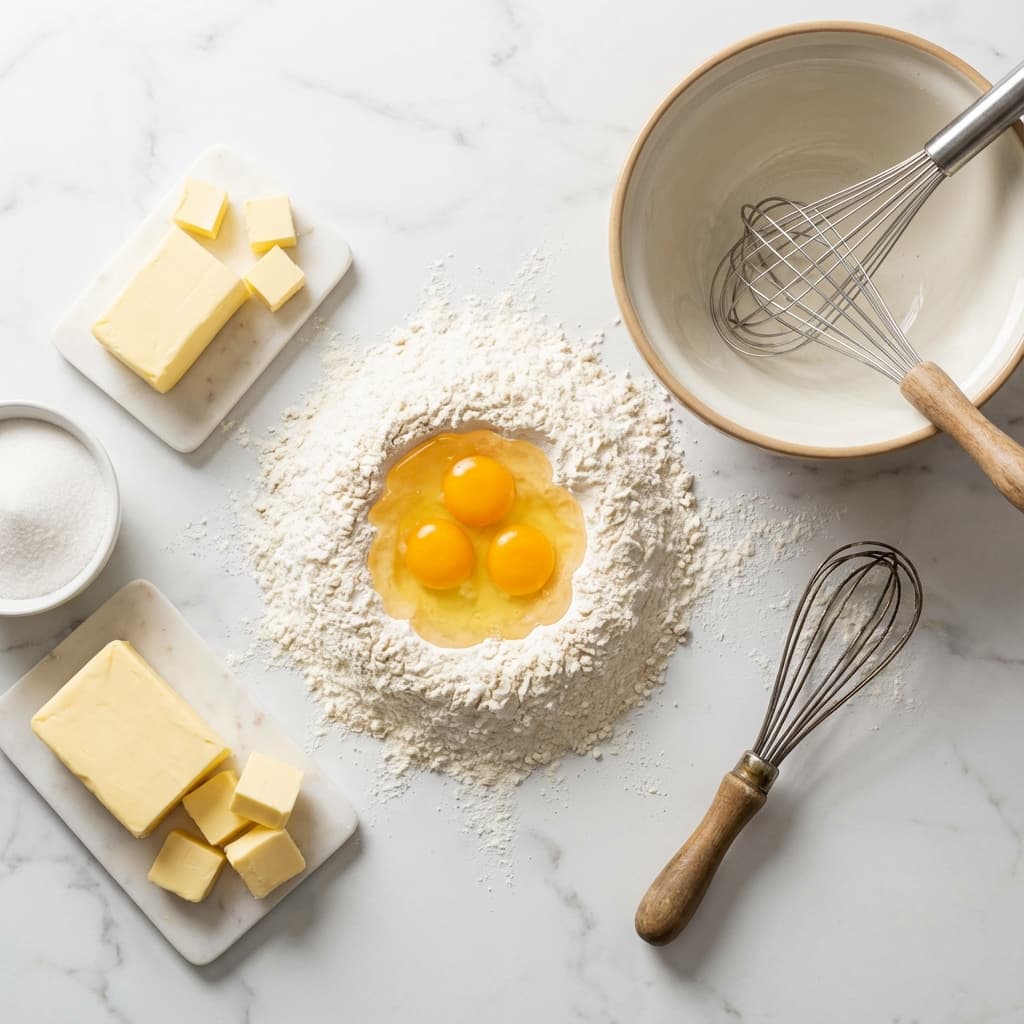
Welcome to Sweety's Bakery comprehensive guide to understanding meringue – a versatile, airy confection that forms the backbone of countless desser...
📑 Table of Contents
The Meringue Mystique: All About Meringue in Baking
Welcome to Sweety's Bakery comprehensive guide to understanding meringue – a versatile, airy confection that forms the backbone of countless desserts. From delicate cookies to stable buttercreams and cloud-like toppings, mastering meringue is a fundamental skill that unlocks a world of possibilities in baking. This article delves into the science and techniques behind creating perfect meringues.
The Science of Whipped Egg Whites & Sugar Stabilization
Meringue is a stable foam created by vigorously whipping egg whites, which are primarily water and protein. As egg whites are whipped, the protein molecules denature (unfold) and create a network that traps air, forming a foam. Sugar then plays a crucial role in stabilizing this foam: it slows down denaturation, strengthens the protein network, and prevents weeping. The method of adding sugar (gradually, as a hot syrup) and the temperature during whipping significantly impact the meringue's stability, texture (soft, firm, crisp), and resistance to collapse. This precise interplay of protein, air, and sugar is the scientific magic behind meringue.
Tips & Variations for Meringue Mastery
Tips for Perfect Meringue:
- Spotless Equipment: Ensure your bowl and whisk are impeccably clean and free of any grease, as fat can prevent egg whites from whipping.
- Room Temperature Egg Whites: Room temperature egg whites whip up with more volume and stability.
- Gradual Sugar Addition: Add sugar slowly, one tablespoon at a time, once the egg whites are foamy, to allow it to dissolve and stabilize the foam.
- Don't Over-Whip: Whip until stiff, glossy peaks form. Over-whipping can lead to a dry, crumbly meringue.
- Acid for Stability: A pinch of cream of tartar or a few drops of lemon juice helps stabilize the egg white foam.
Variations & Considerations:
- French Meringue: The simplest type, made by whipping raw egg whites with granulated sugar. Best for pavlovas, meringue cookies, or folded into mousses. Less stable.
- Swiss Meringue: Egg whites and sugar are gently heated over a double boiler until sugar dissolves, then whipped. More stable and denser, often used for buttercream.
- Italian Meringue: The most stable type, made by pouring hot sugar syrup into whipping egg whites. Ideal for stable buttercreams, decorative piping, and baked Alaska.
- Baked Meringue: Bake at a very low temperature for a long time until crisp and dry.
- Soft Meringue: Used as a topping for pies (e.g., lemon meringue pie) and often torched for a golden finish.
- Flavor Infusions: Add extracts (vanilla, almond), zest, or cocoa powder to the meringue for flavor variations.
Save Your Calculations?
Get the Bakery Business OS to save recipes, track inventory, and manage orders in one place.
Reclaim Your Time →
Sarah Aitdahan
Sarah Aitdahan is the founder of Sweety's Bakery and the creator of this website. A lifelong baker with a passion for perfecting the classics, she believes that baking should be accessible and joyful for everyone. This website is her way of giving back to the incredible baking community by providing free tools, resources, and recipes.
.JPG&w=400&q=75&output=webp)
.JPG&w=400&q=75&output=webp)
.JPG&w=400&q=75&output=webp)
.JPG&w=400&q=75&output=webp)
.JPG&w=400&q=75&output=webp)
.JPG&w=400&q=75&output=webp)
.JPG&w=400&q=75&output=webp)
.JPG&w=400&q=75&output=webp)
.JPG&w=400&q=75&output=webp)
.JPG&w=400&q=75&output=webp)