The Incredible Edible Egg: Its Role in Baking Science | Sweety's Bakery
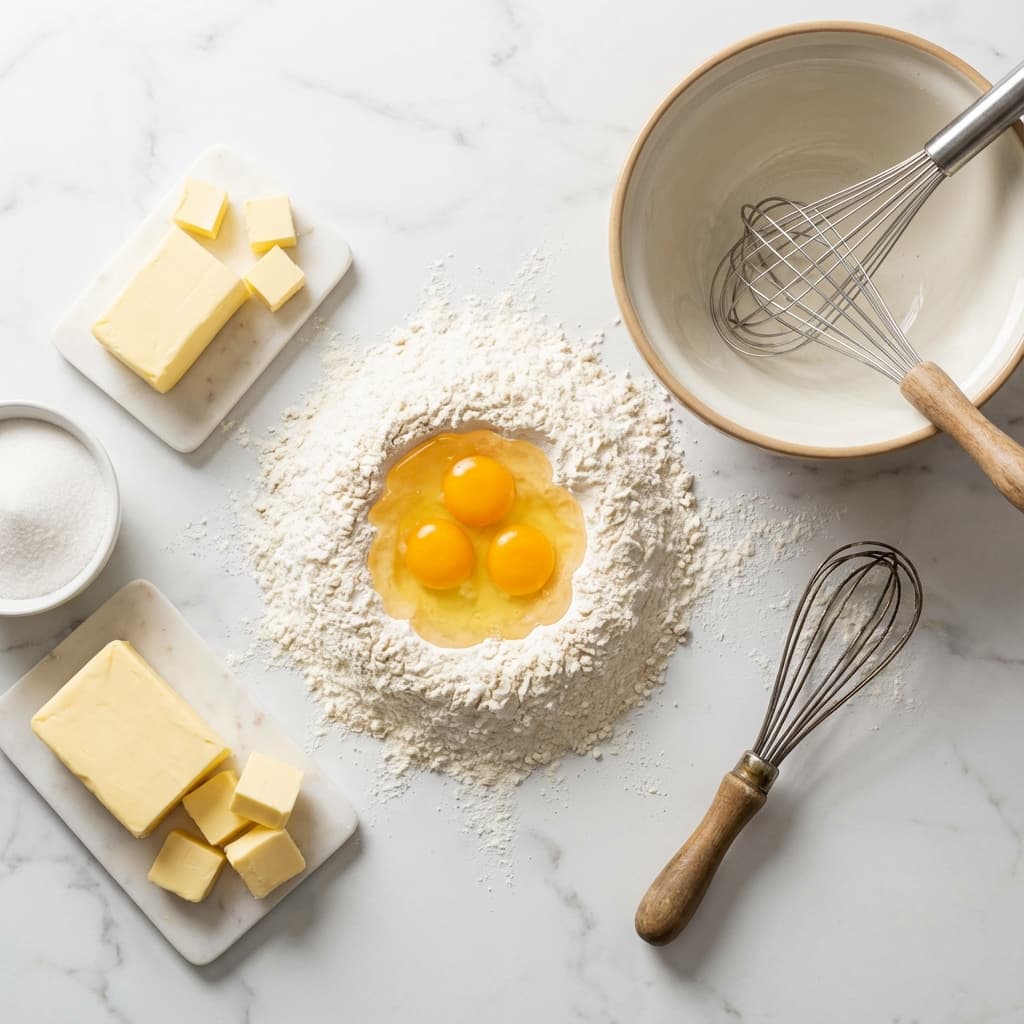
Welcome to Sweety's Bakery guide on the indispensable role of eggs in baking. More than just a simple ingredient, eggs are a powerhouse of function...
📑 Table of Contents
The Incredible Edible Egg: Its Role in Baking Science
Welcome to Sweety's Bakery guide on the indispensable role of eggs in baking. More than just a simple ingredient, eggs are a powerhouse of functionality, contributing to structure, moisture, leavening, flavor, and color in countless baked goods. Understanding the science behind these humble ingredients will elevate your baking from good to extraordinary.
The Science of Multifunctional Eggs
Eggs are a marvel of natural engineering, performing multiple crucial functions in baking. The proteins in egg whites coagulate with heat, providing structure and stability (like in meringues or custards). The lecithin in egg yolks is a powerful emulsifier, binding fat and water together to create smooth batters and prevent separation. Eggs also contribute to leavening (trapping air when whipped), moisture, tenderness, and a rich golden color through the Maillard reaction. The precise balance of these functions, influenced by factors like egg size, temperature, and mixing method, is what makes eggs so central to the chemistry of baking.

Tips & Variations for Using Eggs in Baking
Tips for Optimal Egg Use:
- Room Temperature Eggs: For most recipes, use room temperature eggs. They emulsify better and incorporate more evenly into batters.
- Accurate Sizing: Recipes typically call for large eggs. If using different sizes, adjust accordingly.
- Separate Carefully: When separating, ensure no yolk contaminates the whites, as fat will prevent whites from whipping properly.
- Whip Whites to Proper Peaks: Soft, medium, or stiff peaks serve different purposes. Over-whipping can lead to dry, brittle results.
Variations & Considerations:
- Whole Eggs: Provide structure, moisture, richness, and leavening. Ideal for cakes, cookies, and custards.
- Egg Yolks Only: Add richness, tenderness, and color without adding excess moisture (e.g., in some pastries, custards like crème brûlée).
- Egg Whites Only: Primarily for leavening and structure, creating light, airy textures (e.g., meringues, soufflés, macarons).
- Egg Washes: Brushing beaten egg (whole, yolk, or white) on pastry adds shine and helps with browning.
- Egg Substitutes: For vegan or egg-allergy baking, use alternatives like flax eggs, chia eggs, applesauce, mashed banana, or commercial egg replacers, understanding that each offers different functionalities.
- Pasteurized Eggs: Available for recipes that require raw or undercooked eggs (e.g., some frostings, Caesar dressing) to reduce salmonella risk.
Save Your Calculations?
Get the Bakery Business OS to save recipes, track inventory, and manage orders in one place.
Reclaim Your Time →
Sarah Aitdahan
Sarah Aitdahan is the founder of Sweety's Bakery and the creator of this website. A lifelong baker with a passion for perfecting the classics, she believes that baking should be accessible and joyful for everyone. This website is her way of giving back to the incredible baking community by providing free tools, resources, and recipes.
.JPG&w=400&q=75&output=webp)
.JPG&w=400&q=75&output=webp)
.JPG&w=400&q=75&output=webp)
.JPG&w=400&q=75&output=webp)
.JPG&w=400&q=75&output=webp)
.JPG&w=400&q=75&output=webp)
.JPG&w=400&q=75&output=webp)
.JPG&w=400&q=75&output=webp)
.JPG&w=400&q=75&output=webp)
.JPG&w=400&q=75&output=webp)