Edible Art for All: Fondant Fun Beginner's Guide | Sweety's Bakery
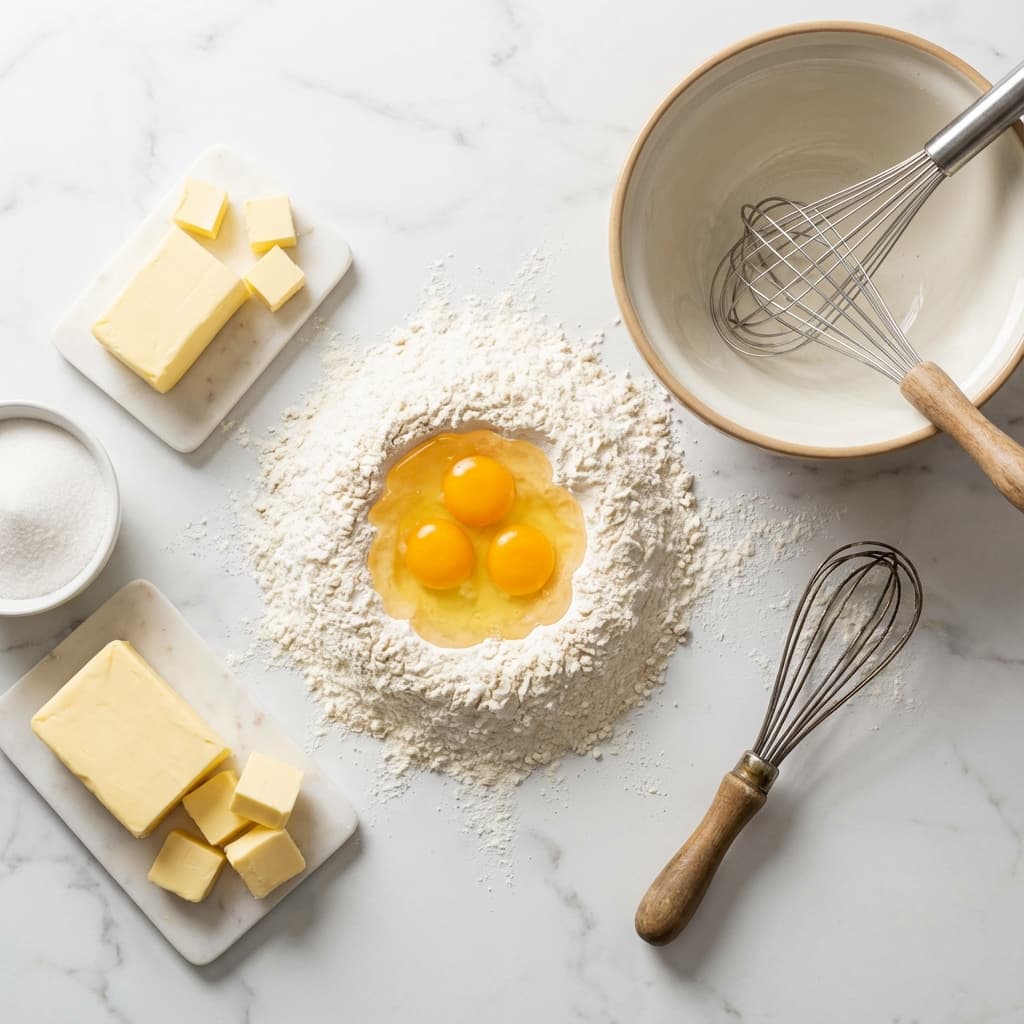
Welcome to Sweety's Bakery beginner's guide to fondant fun! Fondant, with its smooth, clay-like consistency, is the secret behind those flawlessly ...
📑 Table of Contents
Edible Art for All: Fondant Fun Beginner's Guide
Welcome to Sweety's Bakery beginner's guide to fondant fun! Fondant, with its smooth, clay-like consistency, is the secret behind those flawlessly smooth cakes and intricate edible decorations you see on professional bakes. It's surprisingly easy to work with once you know the basics, opening up a world of creative possibilities for even novice decorators. This article will introduce you to fondant, its uses, and simple techniques to get you started on your edible artistry journey.
The Science of Sugar Plasticity & Moisture Control
Fondant's unique pliable texture is a result of its composition, primarily finely ground sugar, water, and often gelatin or glycerine. The science lies in creating a stable, supersaturated sugar solution that remains flexible and workable at room temperature. Gelatin provides elasticity and strength, allowing it to be rolled thin without tearing, while glycerine acts as a humectant, preventing it from drying out too quickly. Understanding how moisture and sugar crystals interact is key to handling fondant effectively: too much moisture makes it sticky, too little makes it crumbly. Proper handling and storage ensure it maintains its ideal plasticity for decorating.
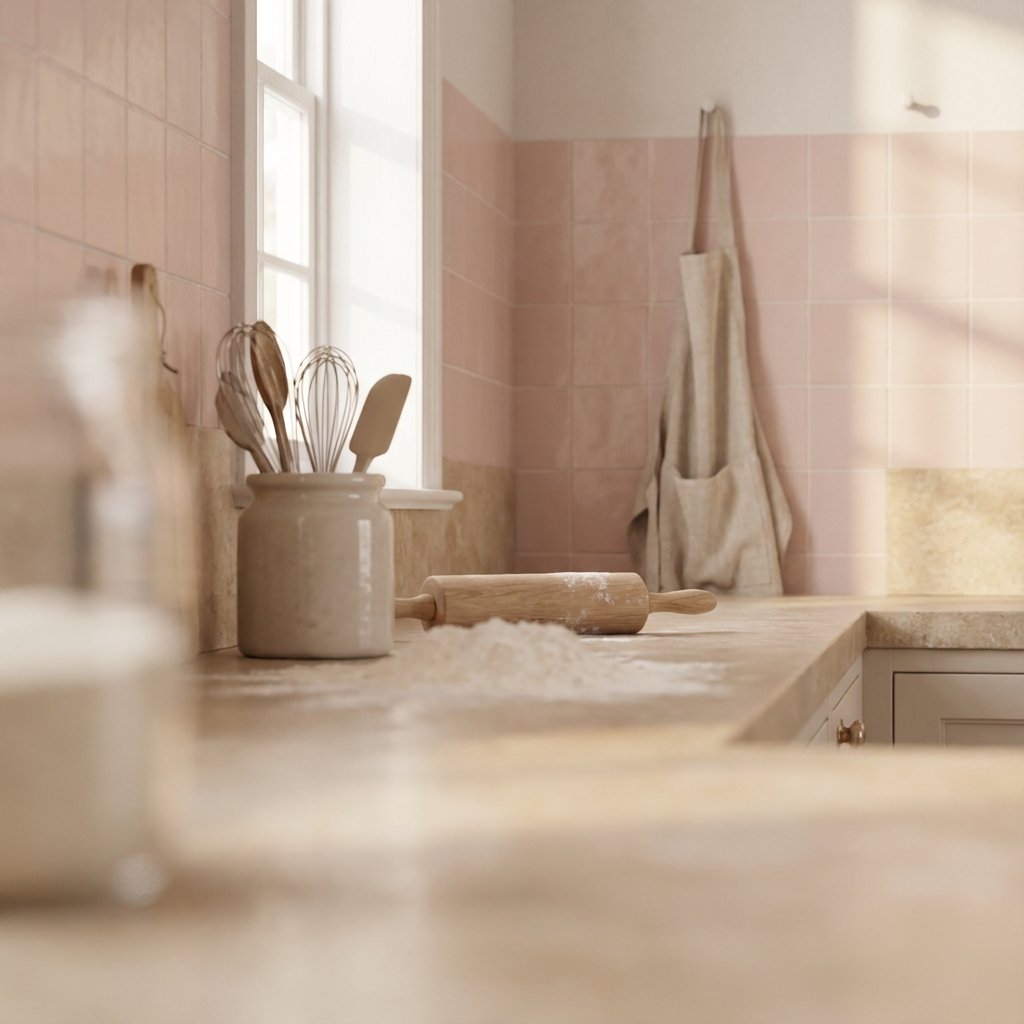
Tips & Variations for Beginner Fondant Use
Tips for Fondant Success:
- Knead Until Pliable: Like dough, knead fondant until it's smooth and elastic. This warms it slightly and makes it easier to work with.
- Dust Lightly: Use cornstarch or powdered sugar sparingly on your work surface and rolling pin to prevent sticking without drying out the fondant.
- Roll Evenly: Use a rolling pin with guides or a ruler to ensure uniform thickness, especially when covering a cake.
- Work Quickly & Keep Covered: Fondant dries out quickly when exposed to air. Keep unused portions tightly wrapped in plastic wrap.
- Smooth with Polishers: Use fondant smoothers to achieve a flawless, air-bubble-free finish on covered cakes.
Variations & Considerations:
- Covering Cakes: The classic use for fondant, creating a perfectly smooth, elegant finish.
- Cutouts & Shapes: Use cookie cutters, plungers, or hand-cut designs to create decorative elements.
- Simple Appliqués: Cut flat shapes and attach them to cakes or cookies with a dab of water or edible glue.
- Basic Sculpting: Create simple 3D figures like bows, pearls, or basic flowers.
- Flavoring & Coloring: Fondant can be colored with gel food coloring and flavored with extracts. Add color gradually.
- Marshmallow Fondant (MMF): A popular homemade alternative using marshmallows, powdered sugar, and water. Often easier to work with and tastes better to some.
- Storing Fondant: Store tightly wrapped at room temperature, never in the refrigerator, to maintain pliability.
- Small Projects: Start with covering cupcakes or cookies before attempting a full cake.
Save Your Calculations?
Get the Bakery Business OS to save recipes, track inventory, and manage orders in one place.
Reclaim Your Time →
Sarah Aitdahan
Sarah Aitdahan is the founder of Sweety's Bakery and the creator of this website. A lifelong baker with a passion for perfecting the classics, she believes that baking should be accessible and joyful for everyone. This website is her way of giving back to the incredible baking community by providing free tools, resources, and recipes.
.JPG&w=400&q=75&output=webp)
.JPG&w=400&q=75&output=webp)
.JPG&w=400&q=75&output=webp)
.JPG&w=400&q=75&output=webp)
.JPG&w=400&q=75&output=webp)
.JPG&w=400&q=75&output=webp)
.JPG&w=400&q=75&output=webp)
.JPG&w=400&q=75&output=webp)
.JPG&w=400&q=75&output=webp)
.JPG&w=400&q=75&output=webp)