Mastering Dough Hydration for Perfect Bread | Sweety's Bakery
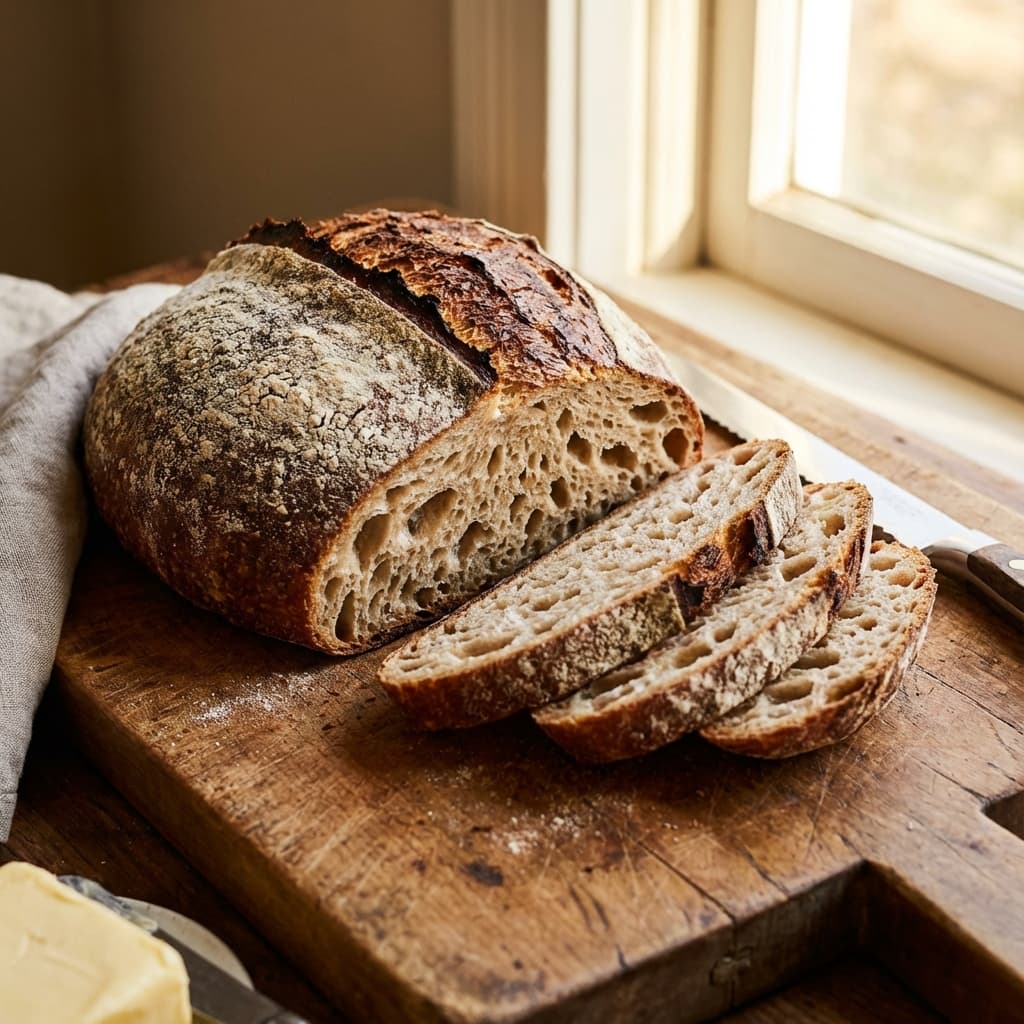
Welcome to Sweety's Bakery guide on mastering dough hydration, a critical factor in bread baking that significantly influences the texture, crumb s...
📑 Table of Contents
Mastering Dough Hydration for Perfect Bread
Welcome to Sweety's Bakery guide on mastering dough hydration, a critical factor in bread baking that significantly influences the texture, crumb structure, and overall quality of your loaf. Understanding and controlling the water content in your dough is the key to transforming good bread into great bread. This article will demystify dough hydration, helping you achieve perfect results every time.
The Science of Water in Dough
Dough hydration refers to the ratio of water to flour in your dough, typically expressed as a percentage of the flour weight (using Baker's Percentage). Water plays a vital role in activating gluten development, facilitating yeast activity, and gelatinizing starches during baking. Higher hydration generally leads to a more open, airy crumb with a crispier crust, as more water allows for greater gluten extensibility. Conversely, lower hydration results in a denser crumb, as gluten strands are tighter. The type of flour also impacts hydration; whole wheat flour, with its higher protein and fiber content, absorbs more water than white flour.
Tips & Variations for Dough Hydration
Tips for Managing Dough Hydration:
- Measure by Weight: Always measure water and flour by weight (grams are ideal) for precise hydration calculations.
- Gradual Addition: For high hydration doughs, it's often best to reserve a small portion of water and add it gradually during mixing or through a technique like autolyse or bassinage.
- Feel the Dough: Develop an intuition for how dough should feel at different hydration levels. It will change throughout mixing and proofing.
- Consider Your Flour: Different flours absorb water differently. Adjust hydration based on whether you're using all-purpose, bread, whole wheat, or rye flour.
Variations in Dough Hydration:
- Low Hydration (55-65%): Produces denser breads with a tighter crumb, like bagels or some artisanal loaves. Easier to handle.
- Medium Hydration (65-75%): Common for many sourdough and artisan breads, yielding a good balance of open crumb and manageability.
- High Hydration (75-85%+): Results in very open, airy crumbs and custardy textures (e.g., ciabatta, focaccia). These doughs can be sticky and require techniques like stretch and folds.
- Adjusting for Environment: Humidity and altitude can affect how much water flour absorbs. Be prepared to make slight adjustments based on your baking environment.
Save Your Calculations?
Get the Bakery Business OS to save recipes, track inventory, and manage orders in one place.
Reclaim Your Time →
Sarah Aitdahan
Sarah Aitdahan is the founder of Sweety's Bakery and the creator of this website. A lifelong baker with a passion for perfecting the classics, she believes that baking should be accessible and joyful for everyone. This website is her way of giving back to the incredible baking community by providing free tools, resources, and recipes.
.JPG&w=400&q=75&output=webp)
.JPG&w=400&q=75&output=webp)
.JPG&w=400&q=75&output=webp)
.JPG&w=400&q=75&output=webp)
.JPG&w=400&q=75&output=webp)
.JPG&w=400&q=75&output=webp)
.JPG&w=400&q=75&output=webp)
.JPG&w=400&q=75&output=webp)
.JPG&w=400&q=75&output=webp)
.JPG&w=400&q=75&output=webp)