Precision Perfected: Baking by Weight vs. Volume | Sweety's Bakery
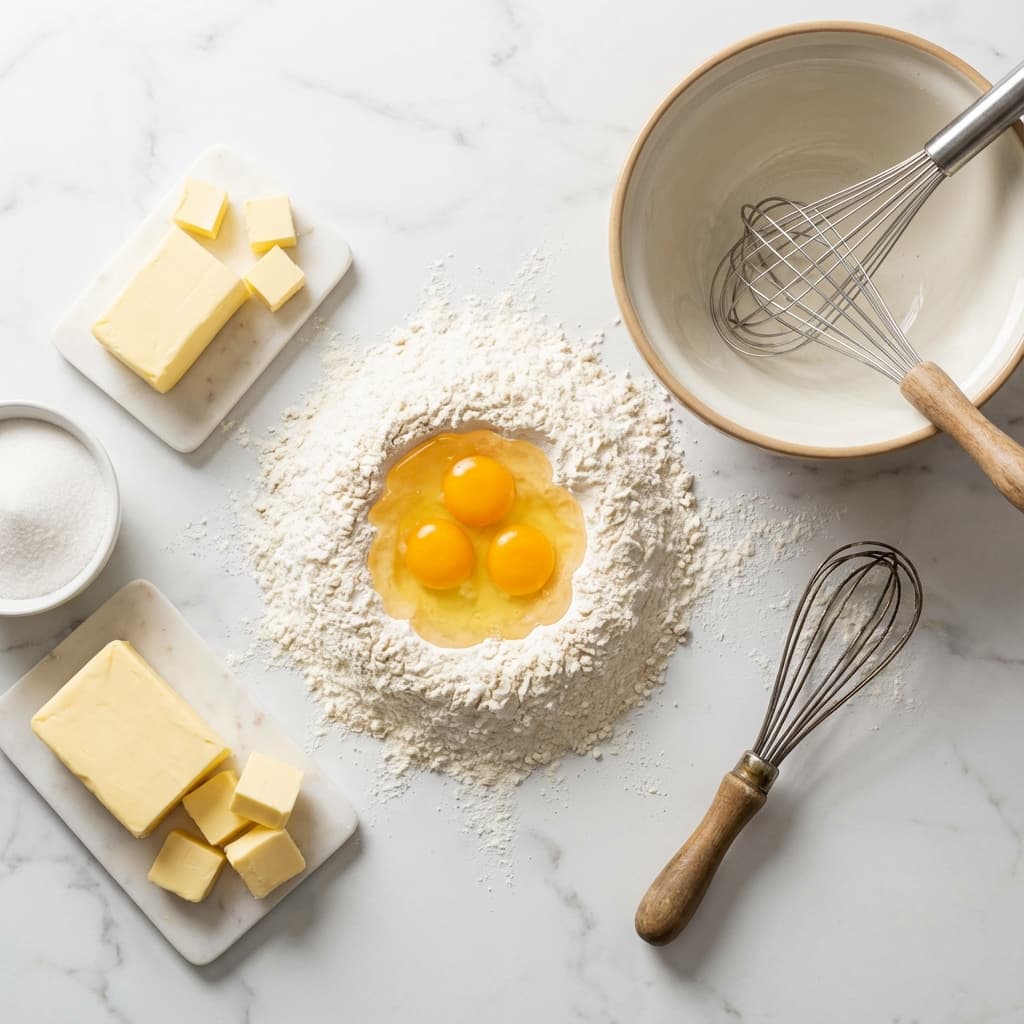
Welcome to Sweety's Bakery definitive guide on the age-old debate in baking: measuring ingredients by weight versus by volume. While many home bake...
📑 Table of Contents
Precision Perfected: Baking by Weight vs. Volume
Welcome to Sweety's Bakery definitive guide on the age-old debate in baking: measuring ingredients by weight versus by volume. While many home bakers start with volumetric measurements (cups, spoons), understanding the profound benefits of measuring by weight is a game-changer for consistency, accuracy, and ultimately, superior baked goods. This article delves into why weight is always the preferred method for serious bakers.
The Science of Density and Reproducibility
The core scientific principle behind preferring weight over volume in baking lies in ingredient density and the need for reproducibility. Unlike weight, which is an absolute measure of mass, volume measurement of dry ingredients can be highly inconsistent due to factors like how an ingredient is packed (e.g., sifted vs. unsifted flour), humidity, and even the type of measuring cup. For example, a "cup" of flour can vary by as much as 20-30 grams depending on technique. Weight measurement eliminates this variability, ensuring that the precise chemical ratios required for successful baking (e.g., proper gluten development, leavening reactions, moisture balance) are met every single time. This scientific precision leads to consistently excellent results.

Tips & Variations for Weight vs. Volume Measuring
Tips for Embracing Weight Measurement:
- Invest in a Digital Scale: This is the single most important tool. Look for one that measures in grams and ounces.
- Tare Function: Learn to use your scale's tare (zero) function to add multiple ingredients to the same bowl, simplifying cleanup.
- Seek Weight-Based Recipes: Prioritize recipes that list ingredients by weight, or convert your favorite recipes using reliable conversion charts.
- Practice Consistency: Even with a scale, ensure you're consistent in how you handle ingredients (e.g., sifting flour before weighing if the recipe specifies).
Variations & Considerations:
- Liquids: While liquid volume measurements (ml, cups) are more accurate than dry, weight is still superior, particularly for smaller quantities or high-hydration doughs.
- Conversions: Utilize online converters or apps that provide weight equivalents for volumetric measures, especially when adapting older recipes.
- Global Recipes: Many international recipes (especially European) are exclusively weight-based, making a scale essential for authentic results.
- High-Altitude Baking: Precision in ingredient ratios becomes even more critical at higher altitudes, where small errors can have larger impacts.
- Learning Curve: There might be a slight learning curve if you're used to volume, but the benefits in consistent results are well worth the effort.
- When Volume is Okay: For very small amounts (e.g., 1/4 teaspoon of baking soda), volume is often acceptable, but switch to weight for anything substantial.
Save Your Calculations?
Get the Bakery Business OS to save recipes, track inventory, and manage orders in one place.
Reclaim Your Time →
Sarah Aitdahan
Sarah Aitdahan is the founder of Sweety's Bakery and the creator of this website. A lifelong baker with a passion for perfecting the classics, she believes that baking should be accessible and joyful for everyone. This website is her way of giving back to the incredible baking community by providing free tools, resources, and recipes.
.JPG&w=400&q=75&output=webp)
.JPG&w=400&q=75&output=webp)
.JPG&w=400&q=75&output=webp)
.JPG&w=400&q=75&output=webp)
.JPG&w=400&q=75&output=webp)
.JPG&w=400&q=75&output=webp)
.JPG&w=400&q=75&output=webp)
.JPG&w=400&q=75&output=webp)
.JPG&w=400&q=75&output=webp)
.JPG&w=400&q=75&output=webp)