Crack the Code: Crafting Classic Crème Brûlée | Sweety's Bakery
Rate this Recipe
Welcome to Sweety's Bakery guide to mastering the timeless French classic: Crème Brûlée. This elegant dessert, with its rich, velvety custard and s...
📑 Table of Contents
Crack the Code: Crafting Classic Crème Brûlée
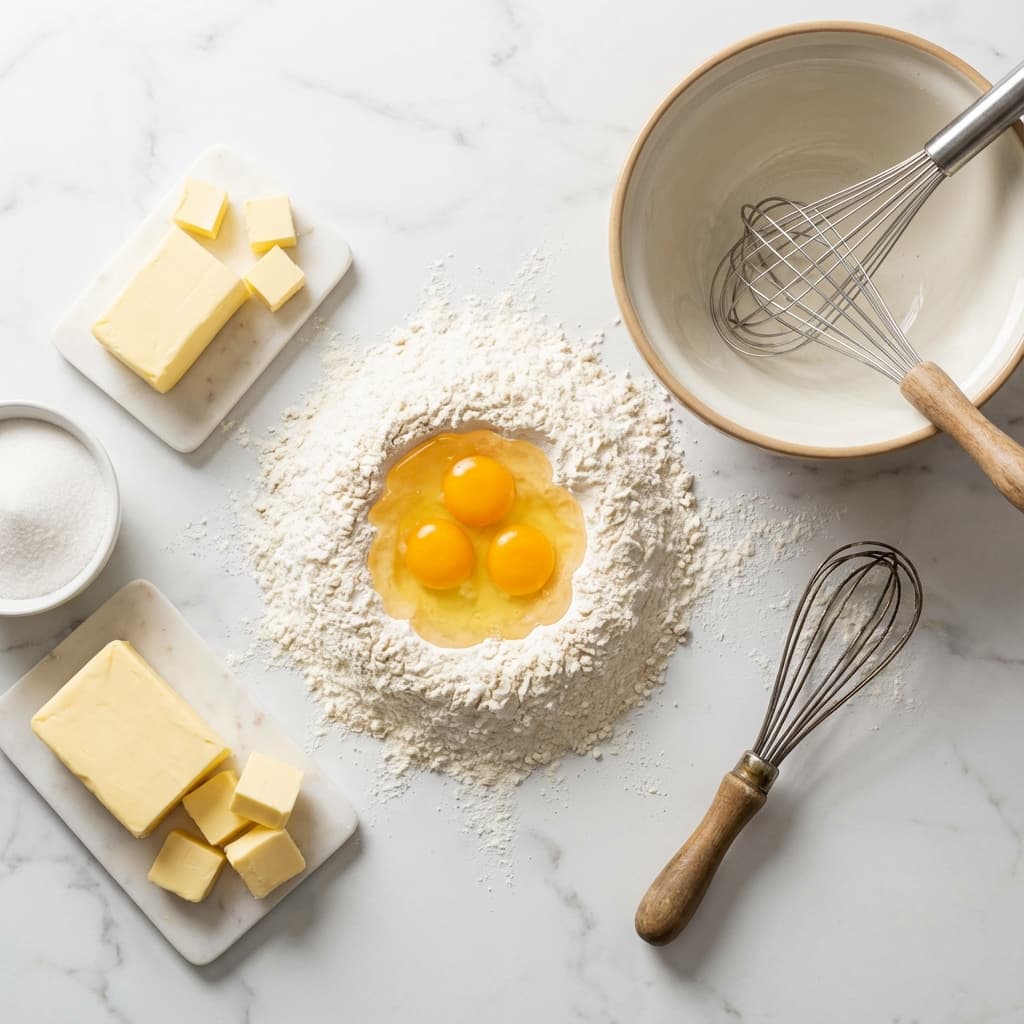
Welcome to Sweety's Bakery guide to mastering the timeless French classic: Crème Brûlée. This elegant dessert, with its rich, velvety custard and signature crisp, caramelized sugar topping, is a testament to simple ingredients transformed by precise technique. Mastering crème brûlée will not only impress your guests but also deepen your understanding of custard science.
The Science of Custard Coagulation & Caramelization
Crème brûlée is a baked custard, and its scientific success lies in the gentle coagulation of egg yolks and cream. The mixture is slowly cooked, often in a water bath, to ensure the egg proteins set smoothly without curdling. Too high a temperature or too fast a bake will lead to a scrambled texture. The magic of the brûlée topping is pure caramelization: when sugar is heated directly (usually with a torch), it undergoes a chemical transformation, breaking down into hundreds of new flavor compounds and forming a hard, glassy crust. This provides a delightful textural contrast to the silky custard underneath.
Tips & Variations for Classic Crème Brûlée
Tips for Flawless Crème Brûlée:
- Use High-Quality Ingredients: Fresh egg yolks, heavy cream, and good vanilla make a noticeable difference.
- Infuse Cream Properly: Gently heat cream with vanilla (bean, extract, or paste) and let it steep for maximum flavor.
- Tempering Egg Yolks: Slowly whisk a small amount of hot cream into the egg yolks (tempering) before adding the mixture back. This prevents scrambling.
- Strain the Mixture: Always strain the custard mixture to remove any bits of cooked egg or undissolved sugar for a perfectly smooth result.
- Water Bath is Essential: Bake the custards in a water bath (bain-marie) to ensure gentle, even cooking and a silky texture.
- Don't Overbake: Custards are done when the edges are set but the center still jiggles slightly. They will firm up as they cool.
- Chill Thoroughly: Chill for at least 4 hours, or preferably overnight, before torching the sugar.
Variations & Considerations:
- Flavor Infusions: Infuse the cream with lavender, coffee beans, spices (cardamom, star anise), citrus zest, or even matcha.
- Chocolate Crème Brûlée: Melt dark chocolate into the hot cream before adding to the egg yolks.
- Alternative Sugars for Topping: While granulated sugar is classic, you can experiment with turbinado sugar for a slightly coarser crunch.
- Ramekin Size: Adjust baking time for different sized ramekins.
- Serving: Serve with fresh berries, a mint sprig, or a light shortbread cookie.
- No Torch? No Problem: If you don't have a kitchen torch, you can achieve a caramelized topping by placing the sugar-topped custards under a broiler for a very short time, watching constantly.
Save Your Calculations?
Get the Bakery Business OS to save recipes, track inventory, and manage orders in one place.
Reclaim Your Time →
Sarah Aitdahan
Sarah Aitdahan is the founder of Sweety's Bakery and the creator of this website. A lifelong baker with a passion for perfecting the classics, she believes that baking should be accessible and joyful for everyone. This website is her way of giving back to the incredible baking community by providing free tools, resources, and recipes.
.JPG&w=400&q=75&output=webp)
.JPG&w=400&q=75&output=webp)
.JPG&w=400&q=75&output=webp)
.JPG&w=400&q=75&output=webp)
.JPG&w=400&q=75&output=webp)
.JPG&w=400&q=75&output=webp)
.JPG&w=400&q=75&output=webp)
.JPG&w=400&q=75&output=webp)
.JPG&w=400&q=75&output=webp)
.JPG&w=400&q=75&output=webp)