Sweetness Solved: Your Guide to Sweetener Conversion | Sweety's Bakery
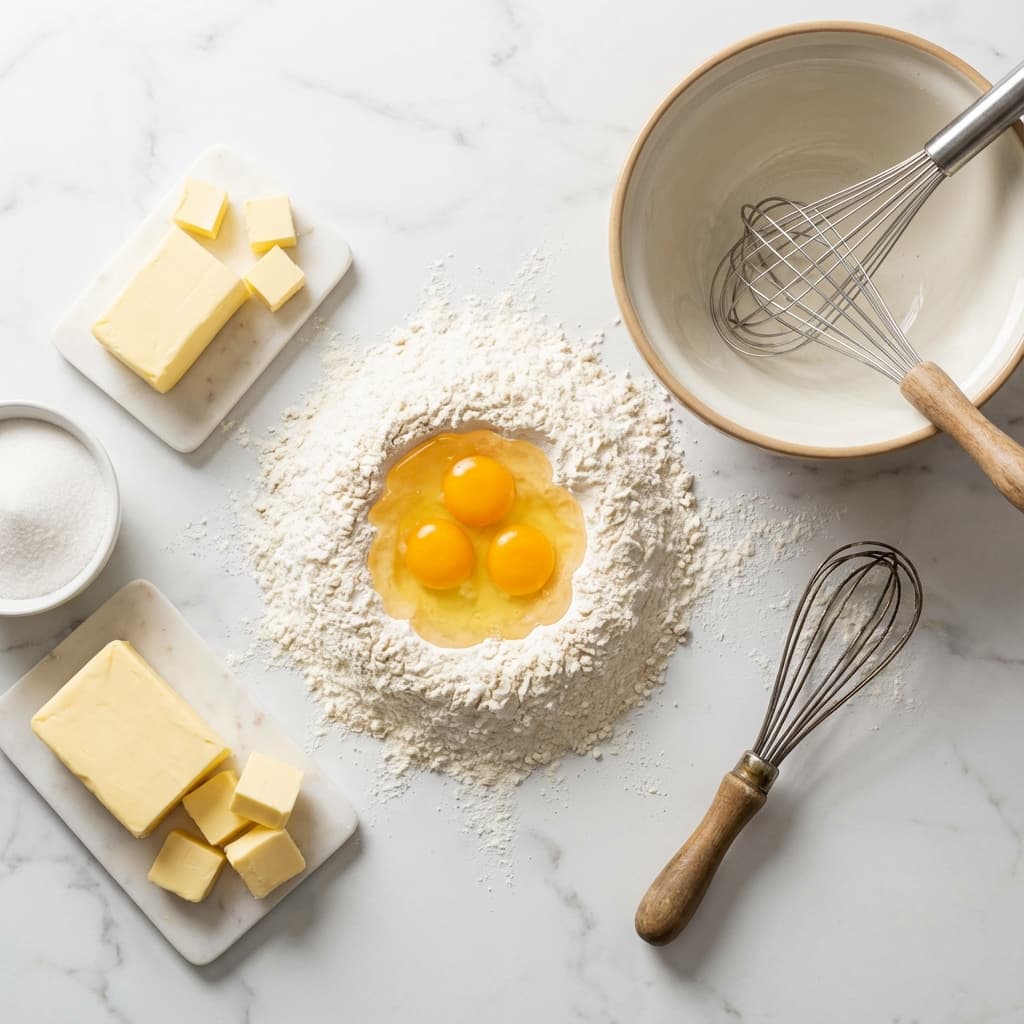
Welcome to Sweety's Bakery guide on mastering sweetener conversions, a vital skill for bakers looking to adapt recipes, manage dietary needs, or ex...
📑 Table of Contents
Sweetness Solved: Your Guide to Sweetener Conversion
Welcome to Sweety's Bakery guide on mastering sweetener conversions, a vital skill for bakers looking to adapt recipes, manage dietary needs, or experiment with different flavor profiles. Whether you're swapping granulated sugar for honey, adjusting for artificial sweeteners, or navigating between different sugar types, understanding how to convert effectively is key to maintaining the perfect balance of sweetness and texture in your baked goods.
The Science of Sweetness and Structure
Sweeteners do more than just add flavor; they play a crucial role in the chemical and physical structure of baked goods. Sugars contribute to moisture retention, aid in browning (Maillard reaction and caramelization), and tenderize products. Different sweeteners have varying levels of sweetness (sucrose equivalency), and their chemical composition affects how they interact with other ingredients. For instance, liquid sweeteners like honey can add moisture and alter dough consistency, while granular substitutes might require additional liquid. Accurate conversion ensures the integrity of your recipe's structure and the desired level of sweetness.

Tips & Variations for Sweetener Conversion
Tips for Effective Sweetener Conversion:
- Understand Sweetness Levels: Research the sweetness equivalency of your chosen sweetener compared to granulated sugar. A 1:1 swap isn't always accurate.
- Adjust Liquids: If replacing a dry sweetener with a liquid one (like honey or maple syrup), reduce other liquids in the recipe to maintain proper hydration.
- Consider Bulk: Some sugar substitutes lack the 'bulk' of granulated sugar, which can affect the final volume and texture. You might need to add a bulking agent or use a blend.
- Browning Differences: Some sweeteners brown differently. Honey and molasses caramelize faster, while certain artificial sweeteners don't brown at all, impacting crust color.
Variations & Considerations:
- Natural Sweeteners: Explore honey, maple syrup, agave, and date sugar for different flavor notes and moisture levels.
- Artificial Sweeteners: Use with caution, as they often behave very differently in baking and can sometimes have an aftertaste. Check specific baking formulations.
- Dietary Swaps: Converting for low-carb, sugar-free, or diabetic-friendly recipes requires careful consideration of both sweetness and structural roles.
- Texture Impact: Be aware that different sweeteners can lead to variations in chewiness, crispness, or tenderness of the final product.
Save Your Calculations?
Get the Bakery Business OS to save recipes, track inventory, and manage orders in one place.
Reclaim Your Time →
Sarah Aitdahan
Sarah Aitdahan is the founder of Sweety's Bakery and the creator of this website. A lifelong baker with a passion for perfecting the classics, she believes that baking should be accessible and joyful for everyone. This website is her way of giving back to the incredible baking community by providing free tools, resources, and recipes.
.JPG&w=400&q=75&output=webp)
.JPG&w=400&q=75&output=webp)
.JPG&w=400&q=75&output=webp)
.JPG&w=400&q=75&output=webp)
.JPG&w=400&q=75&output=webp)
.JPG&w=400&q=75&output=webp)
.JPG&w=400&q=75&output=webp)
.JPG&w=400&q=75&output=webp)
.JPG&w=400&q=75&output=webp)
.JPG&w=400&q=75&output=webp)