Start a Home Bakery Business: 2025 Guide
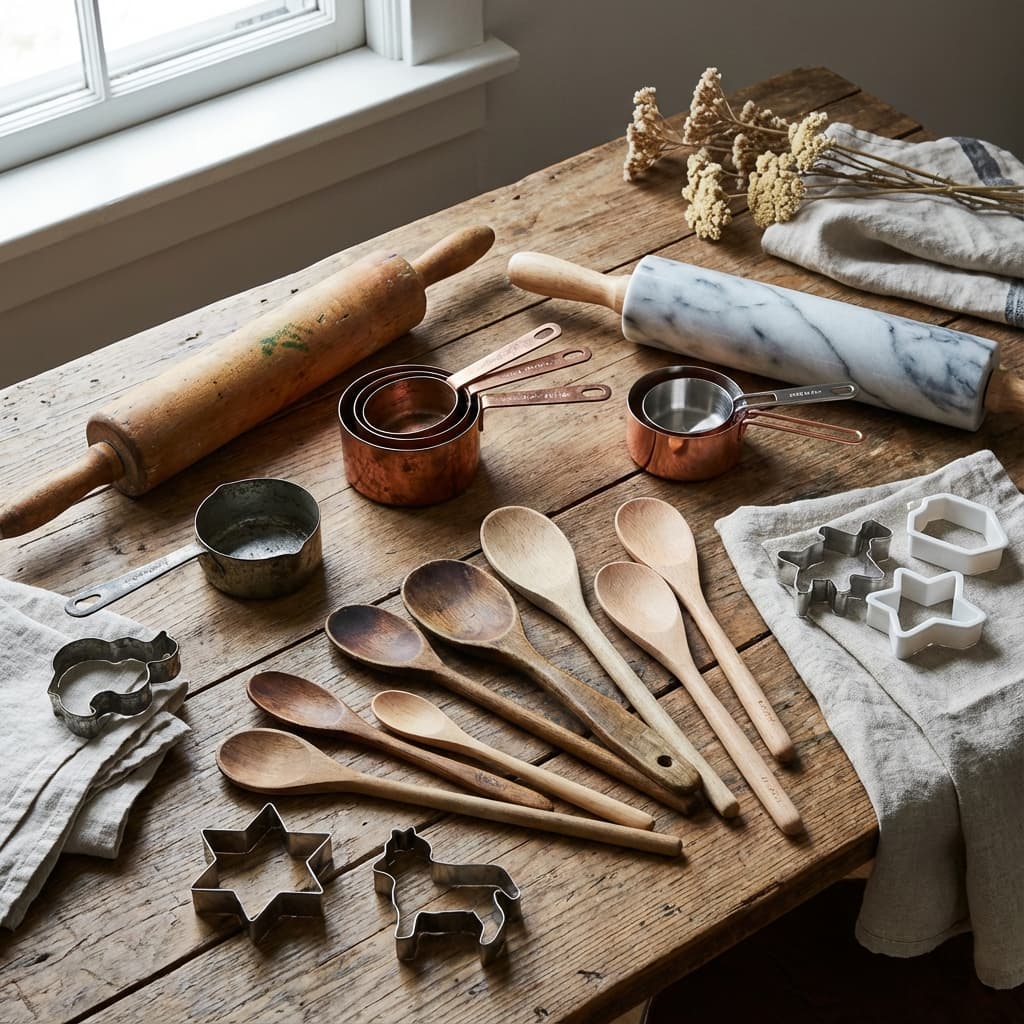
Start your dream home bakery! Covers licenses, cottage food laws, pricing, marketing, and everything needed to launch a profitable business from home.
📑 Table of Contents
- How to Start a Home Bakery Business: Complete 2025 Guide
- Step 1: Research Your Local Laws and Regulations
- Step 2: Set Up Your Home Kitchen
- Step 3: Develop Your Product Line
- Step 4: Create Your Brand
- Step 5: Market Your Home Bakery
- Step 6: Manage Orders and Operations
- Your Action Plan
- Essential Tools for Home Bakers
- Conclusion: Your Bakery Journey Starts Now
How to Start a Home Bakery Business: Complete 2025 Guide
Turning your passion for baking into a profitable home business is more achievable than ever. With the rise of cottage food laws, online ordering, and social media marketing, thousands of home bakers are building successful businesses from their kitchens. But starting a home bakery requires more than just great recipes—you need a solid business plan, legal compliance, and smart marketing strategies.
Step 1: Research Your Local Laws and Regulations
Before you bake your first commercial item, understand the legal requirements in your area.
Cottage Food Laws
Most states have "cottage food laws" that allow home-based food businesses to operate with fewer restrictions than commercial kitchens.
Typical Cottage Food Allowances:
- Baked goods (cakes, cookies, bread, pastries)
- Jams, jellies, and preserves
- Candy and confections
- Dry mixes and granola
Common Restrictions:
- Annual sales cap ($15,000-$50,000 depending on state)
- Direct-to-consumer sales only (no wholesale)
- Specific labeling requirements
- Prohibited items (cream-filled pastries, cheesecakes in some states)
Licenses and Permits
Typical Requirements:
- Business License: Register your business name
- Food Handler's Permit: Complete food safety training
- Home Kitchen Inspection: Some states require initial inspection
- Sales Tax Permit: Collect and remit sales tax
- Zoning Approval: Ensure home-based business is allowed
Costs: Expect $100-500 total for initial permits and licenses.
Step 2: Set Up Your Home Kitchen
Your kitchen is your production facility—optimize it for efficiency and compliance.
Essential Equipment
Baking Basics:
- Commercial-grade stand mixer (KitchenAid Pro or Bosch)
- Multiple baking sheets and pans
- Cooling racks
- Measuring tools (digital scale is essential!)
- Mixing bowls in various sizes
Initial Investment: $1,000-3,000 for quality equipment.
💡 Pro Tip: Read our complete KitchenAid stand mixer and food processor buying guide to choose the best equipment for your home bakery needs.
Step 3: Develop Your Product Line
Don't try to offer everything—specialize and excel.
Finding Your Niche
Popular Home Bakery Niches:
- Custom Cakes: Weddings, birthdays, special occasions
- Artisan Bread: Sourdough, specialty loaves
- Cookies: Decorated, gourmet, dietary-specific
- Cupcakes: Trendy flavors, beautiful designs
- Macarons: High-margin, Instagram-worthy
- Dietary-Specific: Gluten-free, vegan, keto
Pricing Your Products
Use our cake pricing calculator to ensure profitability.
Common Pricing:
- Custom Cakes: $3-8 per serving
- Cupcakes: $2.50-5 each
- Cookies: $2-6 each
- Bread: $6-12 per loaf
- Macarons: $2-4 each
Step 4: Create Your Brand
Your brand is how customers perceive your business.
Business Name
Tips for Choosing:
- Easy to spell and remember
- Reflects your style or specialty
- Available as a domain name
- Not already trademarked
Online Presence
Must-Haves:
- Website: Use Squarespace, Wix, or WordPress
- Instagram: Your visual portfolio
- Facebook Page: For local community engagement
- Google Business Profile: Essential for local SEO
Step 5: Market Your Home Bakery
Great products don't sell themselves—you need strategic marketing.
Social Media Strategy
Instagram Tips:
- Post 3-5 times per week
- Use high-quality photos
- Include behind-the-scenes content
- Use local hashtags (#[YourCity]Bakery)
- Engage with followers daily
Local Marketing
Effective Tactics:
Save Your Calculations?
Get the Bakery Business OS to save recipes, track inventory, and manage orders in one place.
Reclaim Your Time →- Farmers Markets: Test products, build customer base
- Pop-Up Events: Partner with local businesses
- Corporate Orders: Reach out to local offices
- Wedding Fairs: Connect with engaged couples
Step 6: Manage Orders and Operations
Efficient systems prevent burnout and mistakes.
Order Management
Set Clear Policies:
- Lead Time: Minimum 1-2 weeks for custom orders
- Deposits: Require 50% upfront
- Cancellation Policy: 48-72 hours notice
- Pickup/Delivery: Set specific times
Use Tools:
- Research laws and regulations
- Obtain necessary licenses
- Set up business bank account
- Create social media accounts
- Develop 3-5 core products
Month 2:
- Perfect recipes
- Create pricing structure
- Design basic branding
- Build simple website
- Start posting on social media
Month 3:
- Launch soft opening (friends/family)
- Gather feedback
- Refine processes
- Begin marketing to public
- Take first orders
Essential Tools for Home Bakers
Our Free Tools:
Conclusion: Your Bakery Journey Starts Now
Starting a home bakery business is challenging but incredibly rewarding. You'll face obstacles, make mistakes, and have moments of doubt—but you'll also experience the joy of creating something beautiful, building a business you're proud of, and potentially achieving financial freedom doing what you love.
Ready to start your home bakery business? Use our bakery management tools to plan, price, and manage your new venture. Your dream bakery is closer than you think!

Sarah Aitdahan
Sarah Aitdahan is the founder of Sweety's Bakery and the creator of this website. A lifelong baker with a passion for perfecting the classics, she believes that baking should be accessible and joyful for everyone. This website is her way of giving back to the incredible baking community by providing free tools, resources, and recipes.
.JPG&w=400&q=75&output=webp)
.JPG&w=400&q=75&output=webp)
.JPG&w=400&q=75&output=webp)
.JPG&w=400&q=75&output=webp)
.JPG&w=400&q=75&output=webp)
.JPG&w=400&q=75&output=webp)
.JPG&w=400&q=75&output=webp)
.JPG&w=400&q=75&output=webp)
.JPG&w=400&q=75&output=webp)
.JPG&w=400&q=75&output=webp)