Cake Catastrophe? Why Your Cake Sank (and How to Fix It!) | Sweety's Bakery
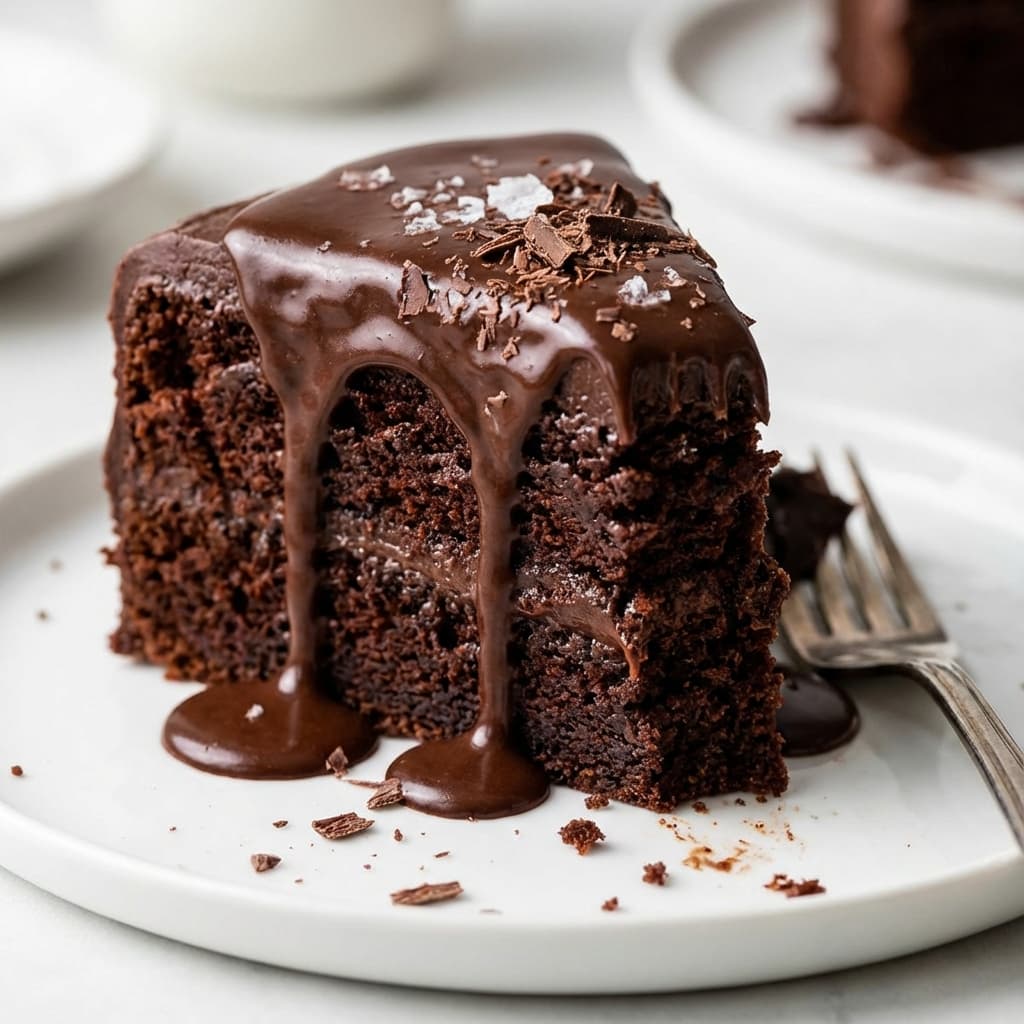
Welcome to Sweety's Bakery troubleshooting guide for a common baking woe: the sunken cake. There's nothing more disheartening than pulling a beauti...
📑 Table of Contents
Cake Catastrophe? Why Your Cake Sank (and How to Fix It!)
Welcome to Sweety's Bakery troubleshooting guide for a common baking woe: the sunken cake. There's nothing more disheartening than pulling a beautiful, puffed-up cake from the oven only to watch it collapse in the center. This article will delve into the scientific reasons behind a sunken cake and provide practical solutions to ensure your future bakes rise perfectly and hold their shape.
The Science of Leavening & Protein Structure
A cake's rise and structural integrity are a delicate balance of leavening agents (baking powder, baking soda, eggs), gluten development (from flour), and fat/sugar ratios. Leavening agents create gas bubbles that expand during baking, causing the cake to rise. As the cake bakes, the protein in the eggs and flour coagulates, setting the structure. If the cake rises too quickly, the structure might not be strong enough to support itself before setting, leading to a collapse. Rapid temperature changes or insufficient baking can also disrupt this delicate balance, causing the cake to sink as it cools. Understanding these scientific principles is key to diagnosing and preventing future cake collapses.

Tips & Variations for Preventing a Sunken Cake
Tips to Avoid a Sunken Cake:
- Accurate Measurements: Always measure ingredients precisely, especially flour and leavening agents. Too much leavener or too little flour can weaken the structure.
- Room Temperature Ingredients: Ensure butter, eggs, and milk are at room temperature for proper emulsion and even mixing.
- Don't Overmix: Mix wet and dry ingredients until just combined. Overmixing develops gluten, leading to a tough texture and can trap too much air initially, causing a later collapse.
- Proper Oven Temperature: Use an oven thermometer to ensure your oven is at the correct temperature. Too hot or too cold can lead to sinking.
- Don't Open the Oven Door Prematurely: Resist the urge to open the oven door during the first 2/3 of baking time, as sudden temperature drops can cause collapse.
- Bake Until Done: Ensure the cake is fully baked. A toothpick inserted into the center should come out clean.
Variations & Considerations(Common Causes):
- Too Much Leavening: Leads to a rapid rise followed by collapse due to weak structure. Reduce baking powder/soda slightly.
- Too Much Sugar: Weakens gluten structure and makes the cake too tender. Reduce sugar slightly or increase flour.
- Too Much Liquid: Makes the batter too thin, impeding structure. Reduce liquid slightly.
- Oven Temperature Fluctuations: Inconsistent oven heat can cause uneven baking and sinking. Calibrate your oven or use an oven thermometer.
- Old Leavening Agents: Expired baking powder or soda may not produce enough gas, leading to a flat cake, or an initial weak rise and collapse.
- High Altitude: Recipes often need adjustments (less leavening, less sugar, more liquid/flour) at higher altitudes due to lower atmospheric pressure.
- Heavy Add-ins: Ensure heavy fruits or nuts are tossed in a bit of flour before adding to batter to prevent them from sinking to the bottom.
Save Your Calculations?
Get the Bakery Business OS to save recipes, track inventory, and manage orders in one place.
Reclaim Your Time →
Sarah Aitdahan
Sarah Aitdahan is the founder of Sweety's Bakery and the creator of this website. A lifelong baker with a passion for perfecting the classics, she believes that baking should be accessible and joyful for everyone. This website is her way of giving back to the incredible baking community by providing free tools, resources, and recipes.
.JPG&w=400&q=75&output=webp)
.JPG&w=400&q=75&output=webp)
.JPG&w=400&q=75&output=webp)
.JPG&w=400&q=75&output=webp)
.JPG&w=400&q=75&output=webp)
.JPG&w=400&q=75&output=webp)
.JPG&w=400&q=75&output=webp)
.JPG&w=400&q=75&output=webp)
.JPG&w=400&q=75&output=webp)
.JPG&w=400&q=75&output=webp)